Autophagy: The Nobel-Winning Science Behind Why Fasting Heals
In 2016, a quiet Japanese cell biologist named Yoshinori Ohsumi walked onto the Nobel stage and reminded the world that our bodies were designed with a self-cleaning mechanism so elegant it borders on miraculous. He called it what the Greeks called it two thousand years ago: autophagy — "self-eating." This is the complete story of what he discovered, why it matters for your health, and how fasting turns the key.
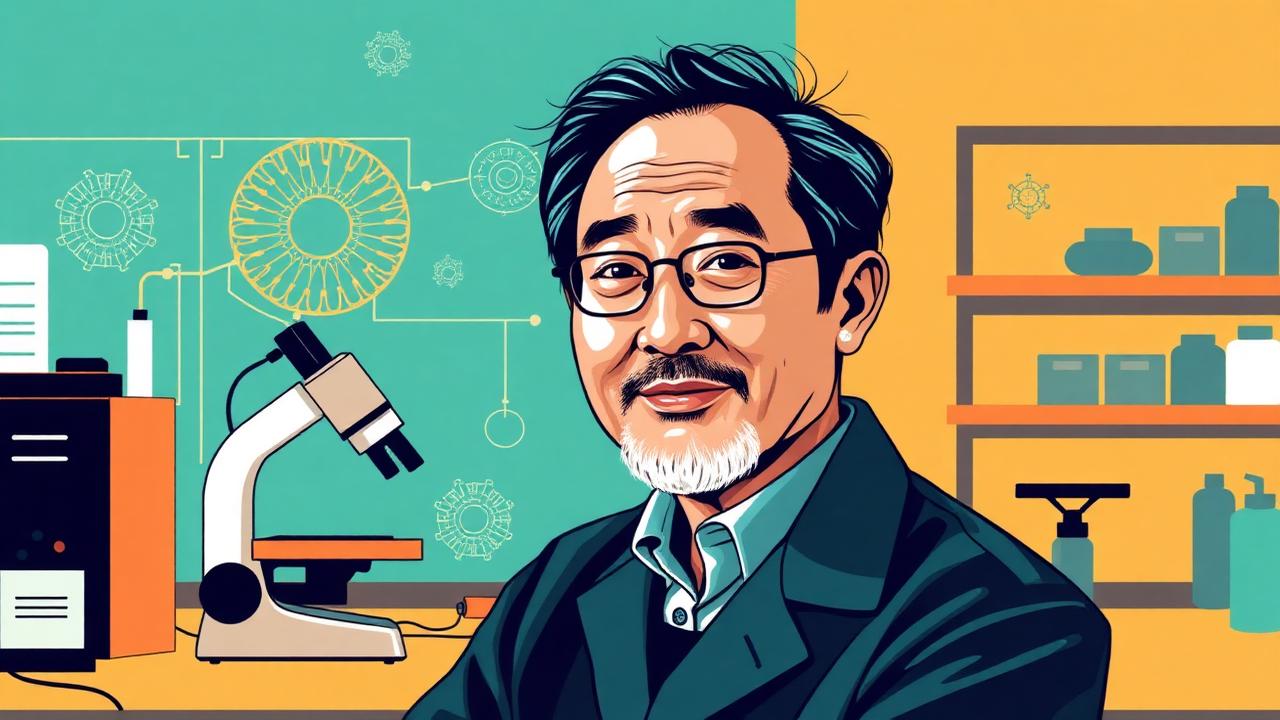
The Scientist Who Watched Cells Eat Themselves
Yoshinori Ohsumi began his career at a time when most biologists considered the lysosome — the cell's recycling compartment — a boring dead-end. Everyone wanted to study the exciting parts: DNA, proteins, signaling. Ohsumi did the opposite. In the late 1980s, working in a tiny lab at the University of Tokyo, he chose baker's yeast (Saccharomyces cerevisiae) and stared into a microscope, waiting.
He starved the yeast. And then he watched something remarkable: inside each cell, tiny bubbles began forming, engulfing worn-out parts, and delivering them to the vacuole (the yeast's version of a lysosome) to be broken down and reused. He had captured autophagy in the act — visible, measurable, and repeatable.
Between 1992 and 1993, using yeast mutants, he identified the first 15 genes essential for autophagy — the now-famous ATG genes. That single breakthrough opened an entire field of medicine. When he received the Nobel Prize in 2016, the committee wrote that his work had "led to a new paradigm in our understanding of how the cell recycles its content."
What Autophagy Actually Is
The word comes from Greek: auto (self) and phagein (to eat). Autophagy is your body's built-in recycling and repair system. Every cell in your body has the ability to identify damaged proteins, broken mitochondria, misfolded molecules, and even invading bacteria — package them into a double-membraned bubble called an autophagosome, and haul them off to the lysosome to be dismantled and reused as raw material.
Think of it as your cells taking out the trash, but smarter — because they don't throw the trash away. They melt it down into amino acids, fatty acids, and nucleotides, and rebuild new, functional parts from the wreckage. It is renewal at the deepest biological level.
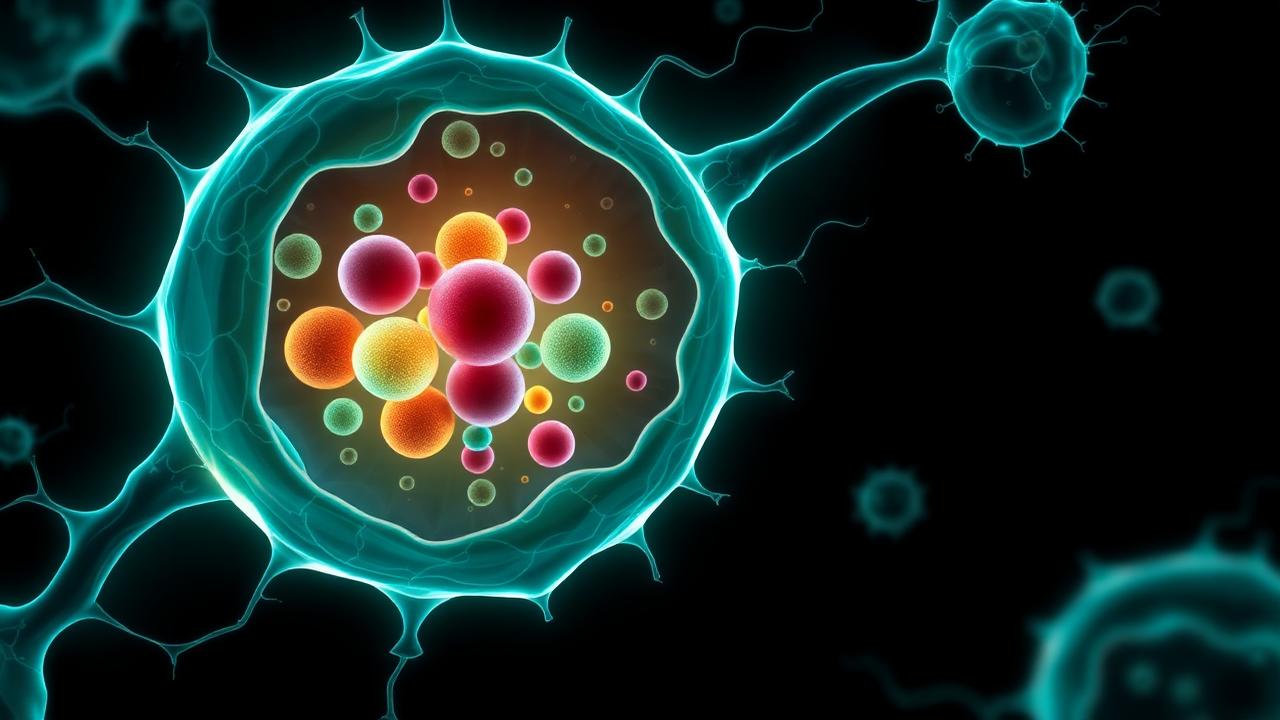
The Three Types of Autophagy
Ohsumi's later work, and the work of the researchers he inspired, revealed that autophagy is not a single process but a family of three:
- Macroautophagy — the main event. Bulk cellular material is wrapped in an autophagosome and delivered to the lysosome. This is what Ohsumi mapped.
- Microautophagy — the lysosome directly pinches off small pieces of cytoplasm to digest them. Small-scale, continuous housekeeping.
- Chaperone-mediated autophagy (CMA) — a highly selective process where specific proteins are recognized by chaperone molecules and pulled directly into the lysosome. Precision cleanup.
There are also targeted sub-programs Ohsumi emphasized in interviews: mitophagy (recycling worn-out mitochondria — the energy factories of the cell), xenophagy (destroying invading bacteria and viruses), lipophagy (breaking down stored fat droplets), and aggrephagy (clearing clumped protein aggregates like those seen in Alzheimer's).
Why Fasting Is Autophagy's Master Switch
Here is the beautiful part — the discovery that connects an ancient spiritual practice to the newest molecular biology. Ohsumi didn't just observe autophagy; he identified the trigger: nutrient scarcity.
When you eat, your body releases insulin and activates a master growth pathway called mTOR (mechanistic target of rapamycin). mTOR tells cells: "food is abundant — build, grow, store." As long as mTOR is on, autophagy is largely off. Your cells have no reason to clean house.
When you fast, insulin falls, glucose drops, and glycogen stores deplete. Around 12–16 hours in, another pathway takes over — AMPK, the low-energy sensor. AMPK deactivates mTOR and switches autophagy on. Around 18–24 hours, ketones rise and autophagy accelerates. By 48–72 hours of water fasting, autophagy activity in human tissues can increase 3 to 5-fold, and mitophagy — the removal of damaged mitochondria — kicks into a higher gear.
This is why Ohsumi once said in an interview: "I believe that even a short fast, done regularly, is one of the most powerful things a modern person can do for their long-term health."

The Health Benefits of Autophagy
Two decades of research since Ohsumi's discovery have linked autophagy to nearly every dimension of long-term health. This is not hype — these are the outcomes documented in peer-reviewed journals:
Cellular Renewal
Damaged proteins and organelles are recycled into fresh building blocks.
Brain Health
Clears amyloid plaques and tau tangles linked to Alzheimer's and Parkinson's.
Mitochondrial Quality
Mitophagy removes dysfunctional mitochondria and boosts energy production.
Longevity
Autophagy is one of the most consistent predictors of lifespan across species.
Cancer Defense
Removes cells with damaged DNA before they become cancerous.
Immune Reset
Old immune cells are recycled and stem cells generate new ones.
Reduced Inflammation
Clears the cellular debris that fuels chronic inflammation.
Insulin Sensitivity
Lowering insulin during fasting restores metabolic flexibility.
Fat Loss
Lipophagy breaks down stored fat droplets for energy.
Skin & Collagen
Renewed protein turnover supports skin elasticity and repair.
Gut Repair
Rest from digestion allows the intestinal lining to regenerate.
Mental Clarity
Ketones plus autophagy in neurons often produce a distinct cognitive lift.
What Happens When Autophagy Fails
When autophagy is impaired — by chronic overeating, insulin resistance, poor sleep, or age — the damaged parts of the cell accumulate. That failure is now implicated in the majority of modern chronic disease:
- Neurodegeneration — Alzheimer's, Parkinson's, and Huntington's all involve toxic protein aggregates that autophagy would normally clear.
- Cancer — early on, autophagy suppresses tumors by removing damaged DNA and organelles; later, tumors can hijack the process. Autophagy is a double-edged sword that scientists are learning to guide.
- Type 2 diabetes — chronically high insulin suppresses autophagy in pancreatic beta cells, accelerating their failure.
- Cardiovascular disease — mitophagy keeps heart muscle cells young; when it stalls, oxidative damage builds.
- Infection — xenophagy is a first-line defense against tuberculosis, salmonella, and many viruses.
- Aging itself — declining autophagy is now considered one of the twelve official "hallmarks of aging."
The Fasting Timeline: When Autophagy Actually Kicks In
0–12 hours
Digestion & Glycogen
Insulin high, mTOR active. Autophagy suppressed. Body burns glucose.
12–18 hours
The Switch
Glycogen depletes. Insulin drops. AMPK activates. Autophagy begins to rise.
18–24 hours
Ketosis Begins
Liver converts fat to ketones. Autophagy climbs. Mental clarity often improves.
24–48 hours
Deep Autophagy
Autophagy 2–3× baseline. Growth hormone surges up to 5×. Mitophagy accelerates.
48–72 hours
Peak Renewal
Autophagy 3–5× baseline. Stem cell activity increases. Immune system begins renewal.
72+ hours
Immune Reset
Old immune cells recycled, new ones generated. Deepest cellular cleanup.
In Ohsumi's Own Words
"Cells are constantly recycling themselves. Without autophagy, we would not survive even a day. It is the most fundamental process of life, and yet, until recently, we didn't know it existed."
"Nutrient starvation is the strongest inducer of autophagy. Our bodies were built for cycles of feast and famine — modern life gave us only the feast."
"I want young researchers to remember: the biggest discoveries often come from the smallest, most overlooked corners of biology."
How to Activate Autophagy in Your Own Life
You don't need a lab. You need patience and a clock. Here are the evidence-backed levers, ordered by strength:
- Water fasting (24–72 hours) — the gold standard. Consult a physician for anything beyond 48 hours.
- Intermittent fasting (16:8 or 18:6) — daily rhythm that maintains mild autophagy long term.
- Alternate-day fasting — proven to raise autophagy markers in humans.
- Exercise — especially fasted zone-2 cardio and resistance training; triggers autophagy in muscle, heart, and brain.
- Deep sleep — autophagy in the brain (the glymphatic system) peaks during slow-wave sleep.
- Cold exposure — brown fat activation appears to boost mitophagy.
- Polyphenols — resveratrol, curcumin, EGCG, and spermidine mildly upregulate autophagy pathways.
Fasting: Ancient Practice, Modern Science
What Ohsumi described in molecular terms, the world's spiritual traditions described in moral and physical terms for thousands of years. In the Bible, fasting appears more than 70 times — Moses fasted 40 days, Elijah fasted 40 days, Jesus fasted 40 days in the wilderness. Isaiah 58 describes fasting as the practice that "looses the chains of injustice" and brings healing: "Then your light will break forth like the dawn, and your healing will quickly appear."
Science is now catching up to what the ancients knew: the body, emptied of food for a time, becomes the sharpest version of itself. Autophagy is the biological name for what the prophets called renewal.
Important Cautions
Fasting is powerful, and powerful things should be used wisely. Do not water fast if you are pregnant or nursing, underweight, have a history of eating disorders, are on insulin or blood pressure medications without physician oversight, or are a child or teenager. Refeed slowly after long fasts — refeeding syndrome is real and can be dangerous. Start small, and build the practice over months, not days.
Ohsumi's Legacy
When journalists asked him after the Nobel announcement what he wanted people to take away from his work, Ohsumi gave an answer that has almost nothing to do with prizes: "Look carefully at the things everyone ignores. That is where the answers are."
His work reminded medicine that the body is not a machine to be forced — it is a system to be respected. Give it rest, give it silence, give it the occasional emptiness, and it will do what it was designed to do: heal itself.
Ready to begin?
Start your fast with Dr. Water
An AI companion built to guide you hour by hour through a science-backed 7-day water fast — the same protocol Ohsumi's research describes.
Open the Fasting AgentEducational content only. Not medical advice. Speak with your physician before beginning any extended fast.